Panigiria in Heraklion 2026: A Guide to Crete's Traditional Summer Festivals
Updated 6 min read Mary Kaynelidi
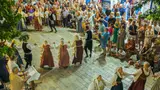
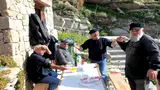
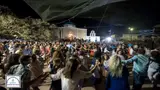
Panigiria in Heraklion are traditional saint's-day festivals - free, open-air celebrations across the towns and inland villages of central Crete, where an Orthodox feast becomes a night of Cretan lyra, roasted meat, raki and dancing that genuinely runs until morning. They are not staged for visitors; they are how the villages of Malevizi, the Archanes wine country and the Messara plain mark their patron saints. The season builds through July and August and peaks on 15 August, but the single largest gathering near Heraklion falls a week earlier, on the feast of Agios Myron.
This guide maps the summer by date - which village holds which feast, and what the night sounds like. For the live folk and traditional events Mood tracks across the area, you can browse the panigiria listed for Heraklion on Mood.
The Heraklion Panigiria Calendar 2026
20 July - Profitis Ilias, Anopoli (Chersonisos)
The Prophet Elias feast belongs to the summits, and east of Heraklion city it is kept at the hilltop chapel above Anopoli in the Chersonisos area - not to be confused with the better-known Anopoli in Sfakia. After the procession of the icon, the lyra and laouto take over for a village glendi by the chapel.
26-27 July - Agios Panteleimonas, Kounavoi
In the Archanes wine country, about fifteen kilometres from Heraklion, the village of Kounavoi keeps the feast of Agios Panteleimonas with a glendi at the country chapel. It draws crowds out from the city, with the chapel and the taverna beside it carrying the celebration into the night.
7-8 August - Agios Myron, Agios Myronas (Malevizi)
This is the headline of the Heraklion summer. The village of Agios Myronas - ancient Raukos - honours Agios Myron, the bishop-saint of Crete, with a two-day feast described as among the largest panigiria on the whole island, drawing thousands of pilgrims. The cultural society serves local food in the village square and the music is full Cretan lyra and laouto. If a single Heraklion-area festival is worth planning a trip around, this is the one.
14-15 August - Dormition of the Virgin (Dekapentavgoustos)
The Dormition is the summer's apex - the "summer Easter" - and central Crete keeps it in several of its best-known villages. Ano Archanes celebrates Panagia Faneromeni in its iconic wine-village square, with Byzantine vespers and the artoklasia on the 14th and a lyra-and-laouto glendi following. Venerato, a vineyard village in Malevizi, holds a square glendi that in recent years has drawn well-known Cretan players. On the Messara edge, the mountain-spring village of Zaros keeps the feast into the night. As everywhere in Greece, dozens of villages celebrate at once, so it is better to settle on one.
24-29 August - Agios Ioannis (the "nine days")
The long late-August feast of the Beheading of John the Baptist runs as a multi-night affair in inland Malevizi, with Cretan glendia and an icon procession in villages such as Ano Asites and Roukani, building toward 29 August.
8 September - Panagia Karkadiotissa, Agios Thomas (Messara)
The Birth of the Virgin closes the season at the 14th-century Byzantine chapel of Panagia Karkadiotissa, by the Axediano river near Agios Thomas in the Messara. It is worth a clarification: this is the Heraklion-prefecture feast and is distinct from the well-known Kera Kardiotissa monastery, which is in Lasithi. The riverside setting and the vespers-then-glendi rhythm make it one of the more atmospheric late-summer panigiria.
What Makes Heraklion's Panigiria Different
The music of central Crete runs on the Cretan lyra backed by the laouto, with singers trading mantinades - improvised fifteen-syllable rhyming couplets - between instrumental passages. The dancing is led by the fast, leaping pentozali and the slower siganos or syrtos, and the spirit of the night is tsikoudia (raki), the Cretan pomace spirit, poured freely alongside lamb, goat and local pies. What defines a Heraklion glendi is endurance: the lyra starts after the service and the dancing continues, in the old phrase, until the morning. The bagpipe-like askomandoura belongs to the island's older tradition but is rare at modern feasts, where lyra and laouto dominate. For the wider summer picture across the island, the Crete music events guide covers the concerts and beach shows that run alongside the festivals.
Practical Guide - Before You Go
Rent a car. The best feasts are in inland Malevizi (Agios Myronas, Venerato), the Archanes wine country and the Messara plain (Zaros, Agios Thomas) - none are reliably reachable by public transport at panigiri hours.
They start late and run later. Vespers and the procession are early evening; the glendi - music, dancing, eating - kicks off around ten and genuinely goes until dawn.
Pace the raki. Tsikoudia is often offered rather than bought, and it is strong. Eat the lamb and pies alongside it.
15 August is the apex, with the most villages celebrating at once - Archanes, Venerato and the Messara villages are the central-Heraklion heartland for it, and roads and squares fill.
Bring cash. Entry is free, but it is customary to eat and drink at the village or cultural-society tables, and inland villages are card-thin.
Find Folk and Traditional Music Events in Heraklion on Mood
Panigiria are free community feasts and rarely sit in ticketing databases, but the live Cretan music nights, folk evenings and laiko shows that run across the area in summer often do. Mood tracks what is on, so it is a way to fill the gaps between the saint's days. Browse everything happening in Heraklion on Mood to plan around the calendar above.
This summer's Cretan glentia
Alongside the village saint-panigiria, Mood now tracks nearly 50 Cretan glentia and panigiria across the Heraklion region this summer - most of them the live Cretan-music nights that define the island's tradition, with the lyra and laouto leading. Named musicians tour the villages: Nikos and Antonis Xylouris play on August 2, and Vasilis Stavrakakis on August 7.
The village saint-feasts run alongside them. New confirmed dates include the Agios Panteleimonas Cretan glendi on July 27, a panigiri in Demati on July 25 and another in Hersonissos the same week. Dekapentavgoustos itself adds a Dormition panigiri at Sisarcha, and on August 20 a panigiri at Rodia, with the Kallergis brothers on lyra.
The month closes with the 7th Grape Festival on August 23, tying the celebration to the harvest.
Frequently Asked Questions
What is the biggest panigiri near Heraklion?
The feast of Agios Myron in the village of Agios Myronas (ancient Raukos), Malevizi, on 7-8 August - described as one of the largest on Crete, drawing thousands of pilgrims to honour the bishop-saint of Crete. You can check the panigiria listed for Heraklion on Mood.
Are Heraklion panigiria free?
Yes. The celebration, the music and the dancing are free and open to everyone. You pay only for food, wine and any raffle tickets at the village tables, and that is how the feast funds itself - bring cash, as inland villages rarely take cards.
What music and dances will I hear?
Cretan lyra and laouto, sung mantinades - improvised rhyming couplets - and dances led by the fast pentozali and the slower siganos or syrtos. The night is fuelled by tsikoudia (raki), with lamb, goat and local pies on the tables.
Where do people in Heraklion go for the 15 August glendi?
Classic central choices are Ano Archanes (Panagia Faneromeni) and Venerato, plus Messara villages such as Zaros - all free, outdoor, lyra-and-laouto celebrations that run into the night.
From the thousands who climb to Agios Myronas in early August to a riverside chapel in the Messara in September, the Heraklion summer is built around its feasts. To plan the music around them, browse live events in Heraklion on Mood.
Find events
browse the panigiria listed for Heraklion on Mood